Foundation Crack Repair in Macon, GA
Not all foundation cracks are equal. Some are cosmetic; others are early warning signs of serious structural movement. Knowing the difference is the first step — and that's what our free inspections are for. We diagnose and repair foundation cracks for homeowners throughout Macon, Bibb County, and Middle Georgia.
Call 478-227-0275 or request a free inspection online.
Types of Foundation Cracks in Macon Homes
Vertical Cracks
Vertical cracks run straight up and down and are the most common type in Macon homes. Small, hairline vertical cracks often result from normal concrete curing and shrinkage — typically not a structural concern. Wider vertical cracks (1/4 inch or more) or cracks that are wider at the top than the bottom suggest differential settlement and require evaluation.
Horizontal Cracks
Horizontal cracks are the most serious type. They indicate lateral soil pressure against the foundation wall — common in Macon homes where clay soil expands significantly during wet seasons. A horizontal crack means the wall is being pushed inward and will continue to bow without repair. This is never a cosmetic issue.
Stair-Step Cracks
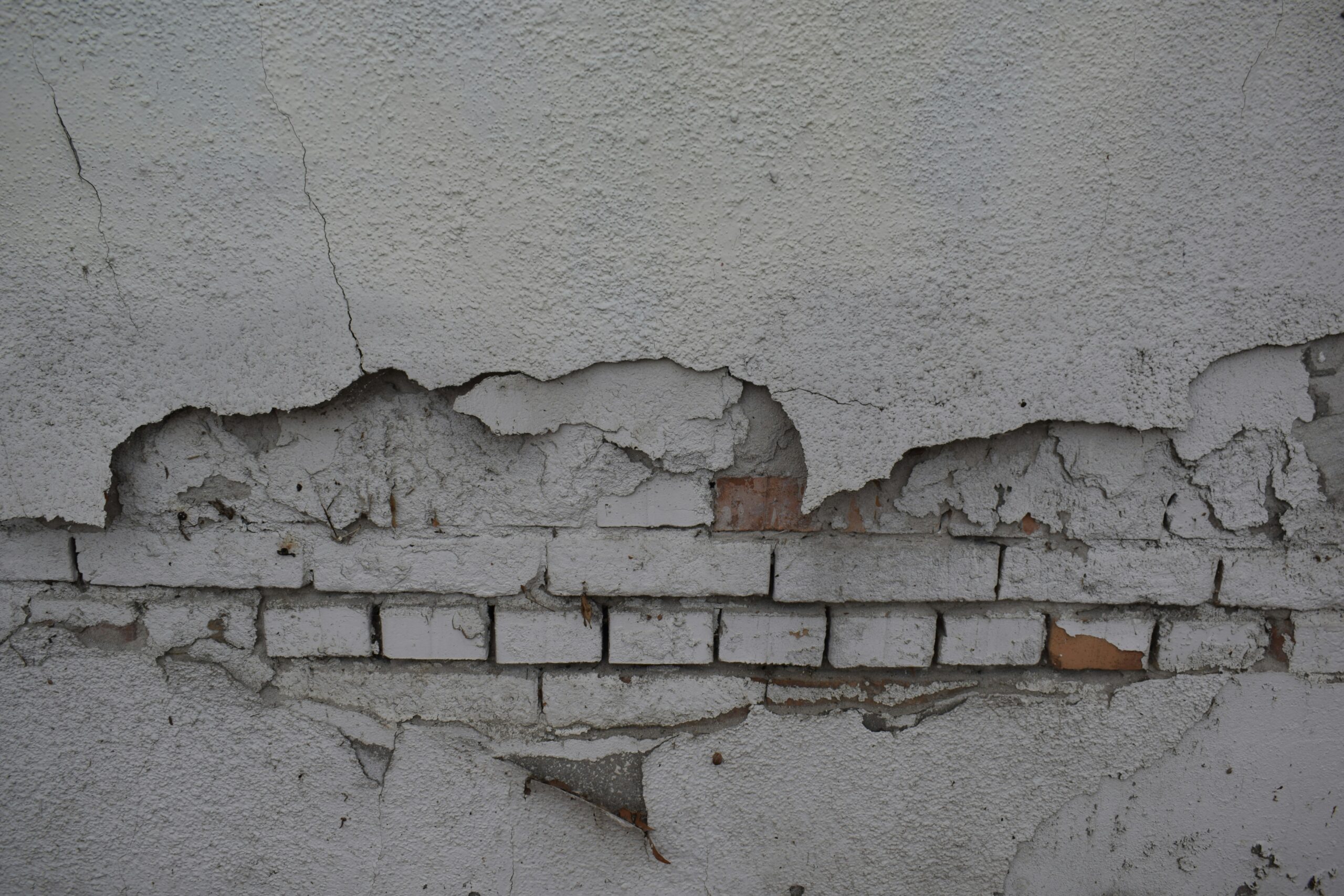
Stair-step cracks follow the mortar joints in block or brick foundations in a diagonal, stair-stepping pattern. They indicate differential settlement — one section of the foundation is dropping faster than another. Common in older Macon block foundations.
Diagonal Cracks
Diagonal cracks run at 30–75 degree angles and typically indicate uneven settling or pressure. Often appear near corners. The width and direction of the crack help determine severity — we document and measure during inspection.
What Causes Foundation Cracks in Macon, Georgia?
Macon sits in Georgia's Piedmont region on expansive clay soil. This soil type is one of the leading causes of foundation damage nationwide. The clay expands when wet (heavy Georgia rainfall) and contracts when dry (summer heat), creating constant movement beneath your foundation. Other contributing factors in Macon include:
- Tree roots from Macon's mature tree canopy drawing moisture from soil near foundations
- Poor drainage directing water toward the foundation rather than away from it
- Age — many Macon homes are 50–100+ years old with foundations built to older standards
- Plumbing leaks beneath the slab creating erosion under the foundation
- Construction on adjacent properties disturbing soil stability
Foundation Crack Repair Methods
Epoxy Injection
For structural cracks in poured concrete foundations, epoxy injection bonds the crack back together with a material stronger than the surrounding concrete. Appropriate for cracks that have stopped moving and are not actively wet.
Polyurethane Foam Injection
For actively wet or leaking cracks, polyurethane foam expands on contact with water, filling the crack and stopping water infiltration. More flexible than epoxy — appropriate for cracks in wet environments like Macon basements and crawl spaces.
Carbon Fiber Straps
For bowing or bending walls, carbon fiber straps are anchored to the wall and floor system to halt inward movement. Minimally invasive — no excavation required. Best for walls that have bowed less than 2 inches.
Wall Anchors and Braces
For walls with more significant bowing, steel wall anchors extend from the foundation wall to stable soil away from the house. Anchors can be gradually tightened over time to slowly straighten the wall back toward plumb.
Exterior Waterproofing
When cracks are caused by hydrostatic pressure, addressing the water source is as important as sealing the crack. Exterior waterproofing involves excavating around the foundation, applying a waterproof membrane, and installing drainage to redirect water away from the wall.
When Is a Foundation Crack an Emergency?
Call us immediately if you notice:
- A crack that has grown noticeably in size over days or weeks
- Horizontal cracks in a block or poured concrete wall
- A crack accompanied by a wall visibly bowing inward
- Water actively flowing through a crack
- Doors or windows that suddenly won't open or close in multiple areas of the home
Foundation Crack Repair Cost in Macon
- Epoxy or polyurethane injection (single crack): $400–$800
- Multiple cracks (full wall): $1,500–$4,000
- Carbon fiber strap installation: $4,000–$8,000
- Wall anchor system: $5,000–$12,000
Free Foundation Crack Inspection — Macon, GA
We inspect foundations throughout Macon-Bibb County at no charge. We document every crack — width, length, location, direction — and give you a straight assessment of what needs to be done and what can wait. Call 478-227-0275 or schedule online.
FAQ — Foundation Crack Repair in Macon
Are small foundation cracks normal in Georgia homes?
Hairline cracks (under 1/8 inch) in poured concrete are common and often result from normal curing. In Macon's clay soil, any crack wider than 1/4 inch or that has grown over time warrants an inspection. Stair-step and horizontal cracks are never normal at any size.
How do I know if a foundation crack is structural?
Structural cracks are typically wider than 1/4 inch, horizontal, diagonal at 45 degrees, or accompanied by other symptoms like sticking doors, uneven floors, or visible wall bowing. A free inspection is the only way to know for certain — we measure and document everything.
Can I repair foundation cracks myself?
DIY crack injection kits are available for cosmetic, non-structural cracks. For any crack showing signs of movement, water infiltration, or structural concern, professional evaluation is necessary. Sealing a crack without addressing the underlying cause — soil pressure, drainage, settlement — just means the crack comes back. See our full DIY vs professional foundation repair guide.
How long does foundation crack repair take?
Epoxy or polyurethane injection for 1–3 cracks is typically a half-day job. Carbon fiber straps and wall anchor installation run 1–2 days depending on the number of anchors needed.