Bowing Foundation Walls in Macon, GA

Bowing Foundation Walls in Macon, GA

A foundation wall that is bowing or leaning inward is a serious structural warning sign — one that gets worse without intervention. Bowing walls are caused by lateral soil pressure, and in Macon's expansive clay soil, that pressure is substantial. The good news: when caught early, bowing walls can be stabilized permanently without excavation.

Call 478-227-0275 for a free inspection if you've noticed wall movement.

What Causes Bowing Walls in Macon Homes?

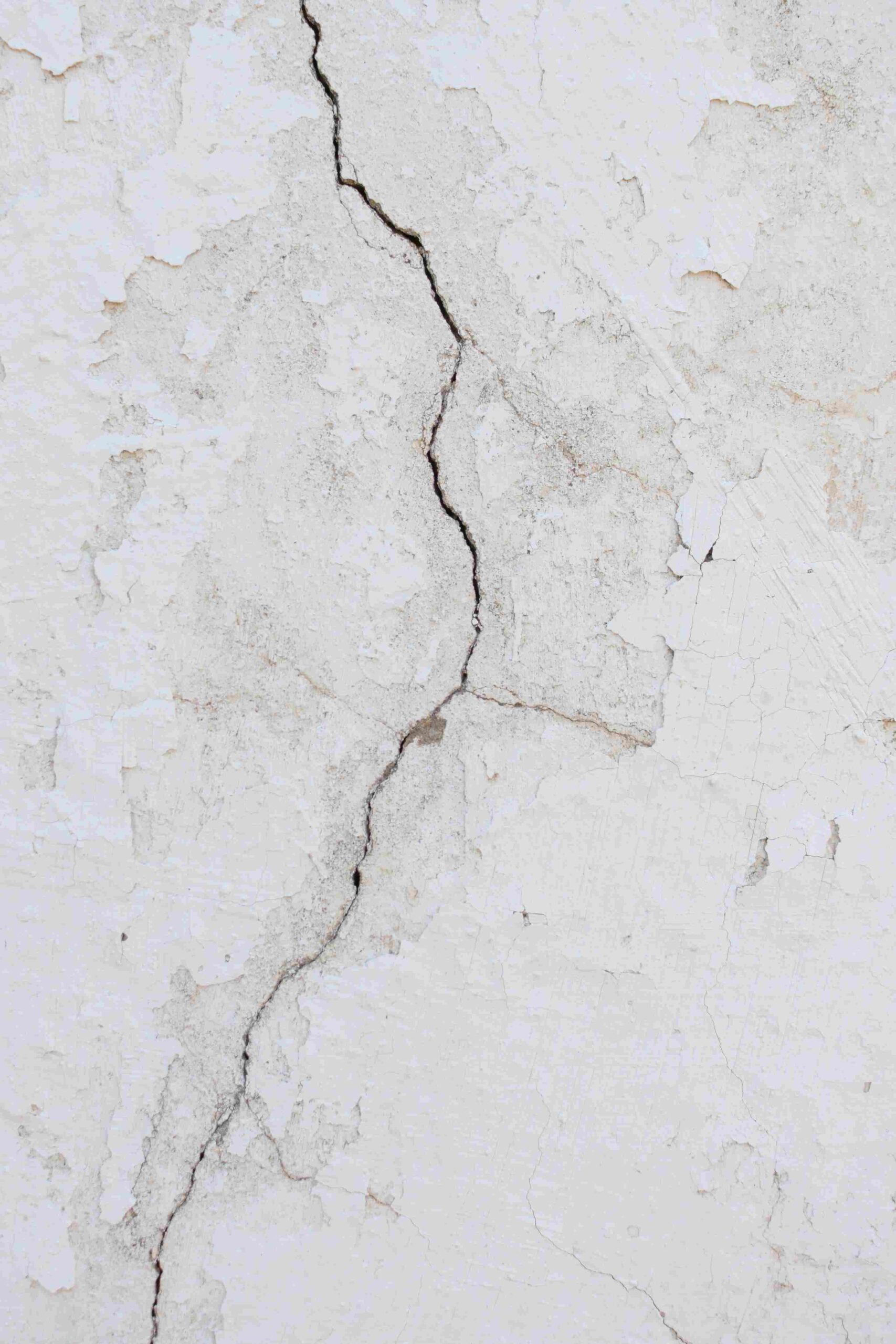
Bibb County's clay soil expands significantly when saturated during Georgia's rainy seasons. This expansion creates lateral (sideways) pressure against foundation walls. Over time, the cumulative pressure exceeds what the wall can resist and it begins to crack and bow inward. Contributing factors include:

  • Saturated soil from heavy rainfall or poor drainage
  • Soil settlement on one side of the wall creating uneven pressure
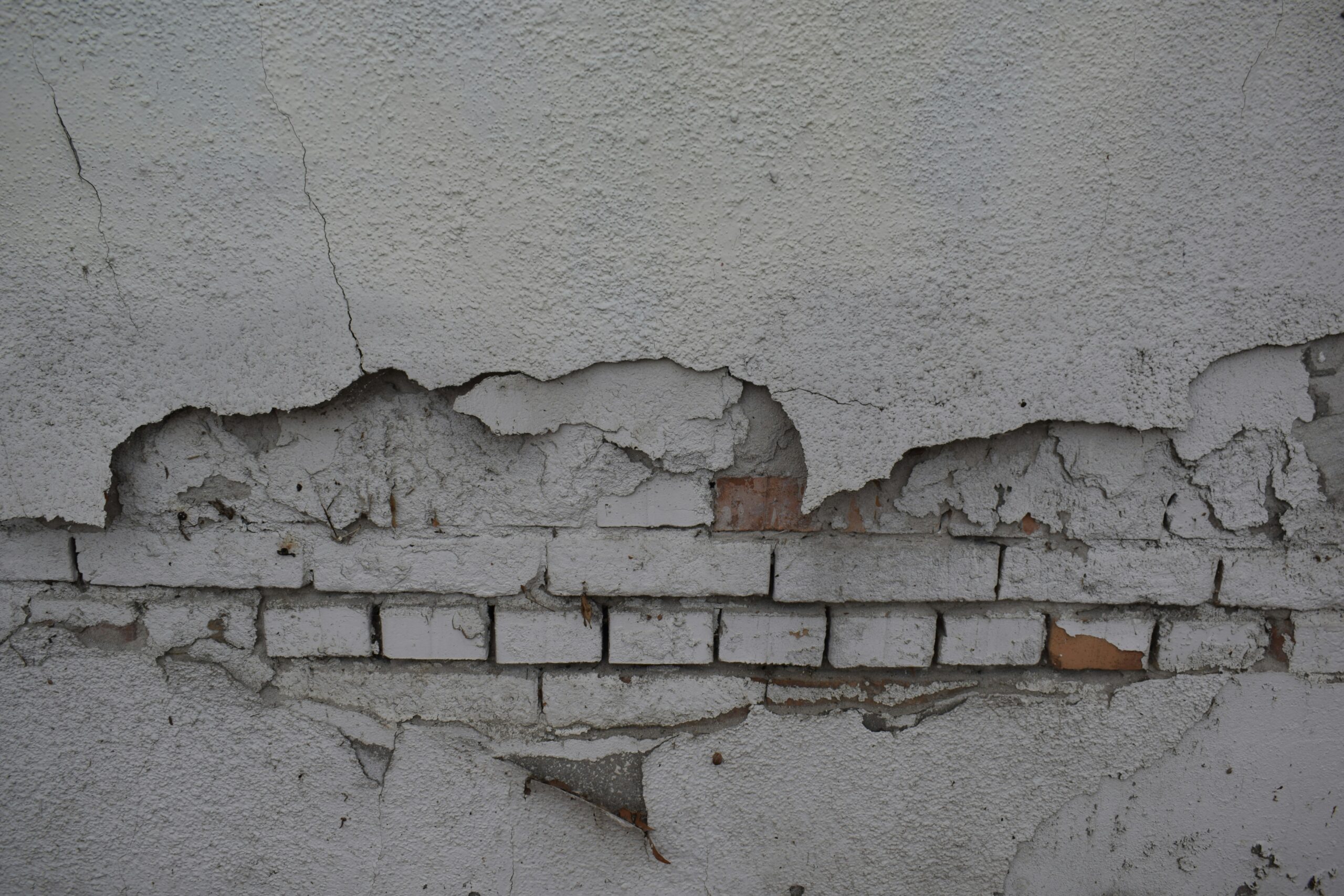
  • Age-related deterioration of mortar in block walls
  • Freeze-thaw cycles (less common in Macon but occasional in winter)
  • Heavy loads near the foundation — driveways, patios, additions

How Much Bowing Is Too Much?

Any visible inward bow in a foundation wall warrants inspection. The 2-inch rule is a common threshold:

  • Less than 1 inch of movement: Carbon fiber straps can stabilize the wall permanently
  • 1–2 inches of movement: Wall anchors or carbon fiber, depending on conditions
  • More than 2 inches of movement: More extensive repair required — wall anchors, excavation and rebuilding in severe cases

The earlier it's caught, the less expensive and less invasive the repair. This is one of the few foundation problems where timing has a direct impact on cost.

Bowing Wall Repair Methods

Carbon Fiber Wall Straps

Carbon fiber straps are bonded to the face of the bowing wall from floor to ceiling using structural epoxy and mechanical fasteners. Carbon fiber has an extremely high tensile strength — it will not stretch or corrode — and arrests further inward movement permanently. No excavation required. Walls with less than 2 inches of movement are ideal candidates.

Steel Wall Anchors

Wall anchors require excavation at a point away from the foundation. A steel plate is driven into stable soil, connected by a steel rod through the foundation wall to an interior wall plate. The system is periodically tightened to gradually push the wall back toward plumb over time. Better suited to walls that need to be straightened rather than just stabilized.

Wall Braces (I-Beam)

Steel I-beams installed vertically against the bowing wall, anchored at the floor and floor joists, provide immediate stabilization without excavation. Can be used in combination with anchor systems or as a standalone stabilization method.

Free Bowing Wall Inspection — Macon

Call 478-227-0275 or schedule online. We measure the deflection, document the wall condition, and give you a written assessment and estimate.

FAQ — Bowing Foundation Walls

Will a bowing wall get worse on its own?

Yes. The soil pressure that caused the initial movement doesn't go away. Without stabilization, bowing walls continue to move inward — slowly in stable conditions, faster after heavy rain. A wall that is 1 inch out today may be 3 inches out in two years.

Can a bowing wall collapse?

In extreme cases, yes. A block wall that has bowed significantly and has multiple horizontal cracks is in danger of sudden failure. If you see a wall bowing more than 2–3 inches with extensive cracking, treat it as urgent and call immediately.

Does fixing a bowing wall straighten it completely?

Carbon fiber straps stop further movement but do not straighten the wall. Wall anchor systems can gradually straighten a wall over time with periodic tightening. Whether to attempt straightening depends on how much the wall has moved and the structural requirements.